Featured Contact Lenses & Optical Manufacturing Capabilities
Precision-molded optical lenses, cosmetic color series, and medical-grade injection moulding exported directly from our ISO 13485 production facility.
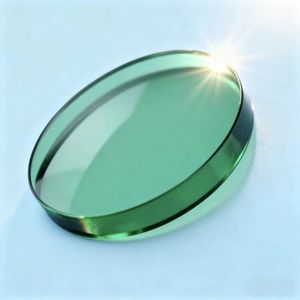
Colorful Semi-Finished Photochromic Lenses Green 1.56 Optical SF Lens Contact SF Lenses
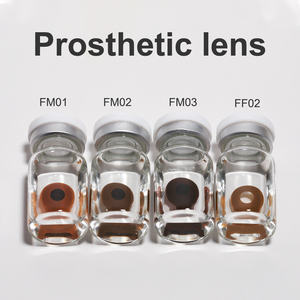
Free Shipping Soft Prosthetic Lens Contacts Factory Wholesale Red Green Brown Color Blind Eye Lens Colored Contact Lenses
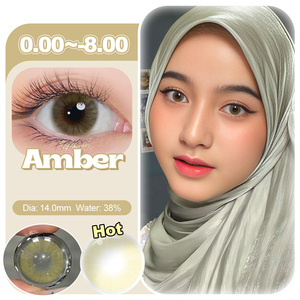
Free Shipping Magister Hidrocor Colored Contact Lenses Soft Eye Lens Natural Color Prescription Contact Lenses Lentes Decontacto
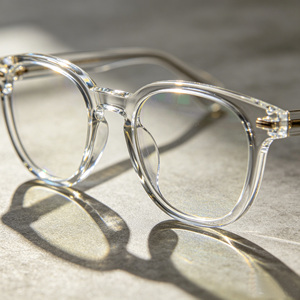
Custom Medical Injection Mold Precision Plastic Molding Service OEM ODM with CE ISO Certified
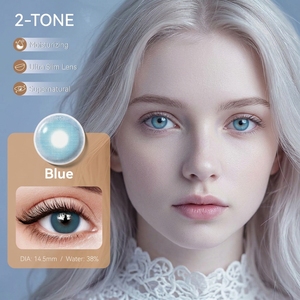
Fashion Style Natural Blue Soft Contact Lenses Cosmetic OEM ODM Wholesale 14.5mm 38% Water Content ISO 13485 Certified
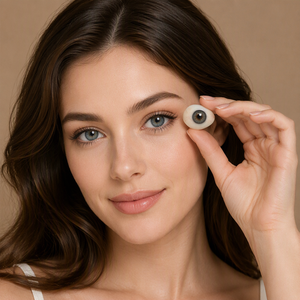
Gen 3 Miiemo BY371 Soft Colored Contact Lenses Black Eye Contact
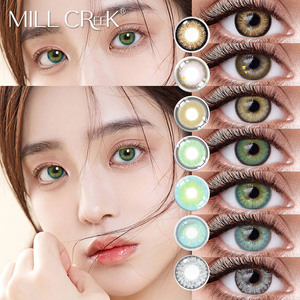
Haipurecon Factory Direct Wholesale Soft Color Contact Lenses $1 Per Pair MOQ 100 Pairs Limited Stock
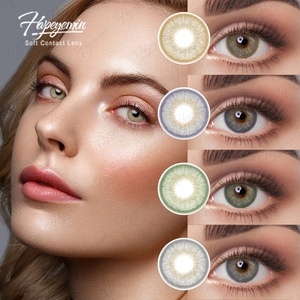
Haipurecon Taylor and Pola Series Yearly Color Contact Lenses Soft Hardness BeautyLens for Wholesale OEM ODM
Executive Summary: ISO 13485 Ophthalmic Manufacturing for the South African Market
The South African vision care and cosmetic contact lens market represents one of the most rapidly expanding optical sectors across Sub-Saharan Africa. Fueled by rising consumer urbanization in metropolitan centers like Johannesburg, Cape Town, Pretoria, and Durban, demand has shifted beyond standard corrective eyewear toward premium cosmetic color contact lenses, daily disposable modalities, and specialty ophthalmic devices. However, navigating the import landscape in South Africa requires strict adherence to regulatory standards governed by the South African Health Products Regulatory Authority (SAHPRA) under the Medicines and Related Substances Act (Act 101 of 1965).
Contact lenses are classified as medical devices. Importers, optical chain distributors, and cosmetic brand owners in South Africa face significant commercial risks when sourcing from uncertified or non-compliant overseas suppliers. Partnering directly with an ISO 13485 certified contact lens factory ensures that every batch produced meets international biomedical safety thresholds, bio-compatibility requirements, and quality system audits. As a direct-factory group founded in 1984 (comprising Gansu Constar Technology Group and Hunan Liangguo Group's Hunan Haipuming Technology), Vibebeautylens Technology Co., Ltd. serves as the premier OEM/ODM manufacturing partner, engineered specifically to satisfy South African regulatory, climatic, and commercial requirements.
Information Gain Insight: ISO 13485 is not merely a manufacturing standard; it is the fundamental baseline required for SAHPRA Class B medical device licensing. Our factory technical dossiers (including ISO 10993 cytotoxicity and biocompatibility reports) directly accelerate South African customs clearance and regulatory approvals.
Factory Strength & Technical Architecture: Why Source Direct from Us
In contrast to intermediary trading entities, Vibebeautylens offers B2B buyers direct access to primary manufacturing infrastructure. Operating two automated manufacturing bases in Gansu and Hunan, China, our facilities integrate state-of-the-art cast-molding systems, automated optical inspection (AOI) technology, and Class 100,000 (ISO Class 8) cleanrooms to achieve micro-level precision.
ISO 13485 & CE MDR Systems
Managed under certified medical device quality standards with total batch traceability from raw polymer monomer synthesis to final unit blister sterilization.
US FDA Registered Facility
Our facility holds FDA Establishment Identifier (FEI) 3015587162, illustrating our compliance with global biomedical standards and rigorous optical quality control.
1,500+ Stock Lines & Fast Freight
We maintain an inventory of over 1,500 ready-to-ship designs across daily, monthly, and yearly replacement cycles, enabling dispatch within 7 to 10 days to South Africa.
Sandwich Color Lock Technology for Maximum Ophthalmic Safety
A central technical concern for South African optometrists and regulatory authorities regarding cosmetic lenses is dye migration or pigment exposure on the corneal epithelium. Our factory utilizes a double-layer Sandwich Pigment Encapsulation Process. In this manufacturing setup, non-toxic, biocompatible bio-pigments are completely embedded between two layers of hydrogel material (HEMA/NVP matrix). The color pigments never come into direct contact with the cornea or conjunctiva, ensuring 100% color safety, zero dye leaching, and smooth tear film exchange throughout extended daily wear cycles.
Material Science & Optical Performance Matrix
Selecting the correct material parameter is critical when distributing contact lenses across South Africa's diverse environmental zones—ranging from the high-altitude dry plateau of Gauteng to the humid coastal belts of KwaZulu-Natal.
| Technical Parameter | Hydrogel Formulation (HEMA + NVP) | Silicone Hydrogel (Gen-3 Polymer) | South African Application Suitability |
|---|---|---|---|
| Water Content (%) | 38% – 55% water content options | 45% – 48% water content matrix | 38% low water content ideal for dry climates (Gauteng/Karoo) to prevent lens dehydration. |
| Oxygen Permeability (Dk/t) | 20 – 28 Dk/t | 80 – 120 Dk/t | Silicone hydrogel recommended for extended 8–12 hour daily office & shift wear. |
| UV Blocking Matrix | Class II UV Filter (UV-A / UV-B) | Class I Premium UV Filter (>95% UV-A, >99% UV-B) | Crucial requirement for South Africa's high solar index to protect internal ocular structures. |
| Base Curve (BC) & Diameter | 8.5mm – 8.6mm / 14.0mm – 14.5mm | 8.6mm / 14.2mm – 14.5mm | Universal fit geometry calibrated for multi-ethnic corneal topographies across South Africa. |
| Replacement Modalities | 1-Day, 1-Month, 6-Month, 1-Year | 1-Day, 1-Month Premium Lines | Daily disposables lead high-end urban retail growth; yearly options dominate value retail. |
Localized Application Scenarios Across South Africa
Understanding how end-users interact with contact lenses in South Africa allows retail brand owners and optical chains to position their product lines effectively.
1. Optometric Practices & Eyecare Chains (Johannesburg & Cape Town)
Prescription color contact lenses (Myopia correction from -1.00 to -8.00 Diopters) supplied with ISO 13485 technical documentation. Designed for retail optical groups seeking private-label margins superior to traditional international optical brands.
2. Beauty, Fashion & E-Commerce Retail (Durban & Pretoria)
Plano (0.00 power) cosmetic contact lenses targeting Gen-Z and millennial fashion demographics. Incorporating high-definition 3-tone color blends, limbal ring enhancement, and natural eye enlargement aesthetics.
3. Ophthalmic & Specialized Prosthetic Solutions
Medical soft prosthetic contact lenses designed for chromatic vision deficiency (color blindness correction) and ocular scarring concealment. Offers specialized optical practitioners high-value solutions for clinical applications.
Key Trends Reshaping the South African Contact Lens Industry
1. Surging Demand for Prescription Cosmetic Lenses
Historically, cosmetic contact lenses and prescription vision correction operated in separate silos. In South Africa, consumer demand has converged. Wearers requiring vision correction actively demand natural-looking color enhancements (such as hazel, grey, green, and honey shades) in their daily or monthly prescription lenses. Our OEM manufacturing supports customized diopter matching across all cosmetic designs.
2. Shift Toward Daily Disposable Modalities in Urban Centers
With heightened health awareness and convenience preferences in metropolitan areas like Sandton, Rosebank, and Cape Town City Bowl, daily disposable contact lenses are experiencing double-digit annual growth. Daily disposables eliminate the need for multipurpose cleaning solutions and storage cases, offering the ultimate standard in eye hygiene and comfort.
3. High UV-Protection Requirements for Sub-Saharan Exposure
South Africa experiences elevated UV Index levels throughout the year. Prolonged solar exposure increases the risk of pinguecula, pterygium, and photo-keratitis. Modern South African optical buyers prioritize contact lenses embedded with UV-absorbing monomers that shield delicate internal ocular tissues from harmful UV-A and UV-B rays.
4. Rigorous Enforcement of Medical Device Compliance
Unregistered cosmetic products entering through informal trade channels face increasing scrutiny from port authorities at Durban Commercial Harbor and OR Tambo International Airport. Importers are partnering exclusively with ISO 13485 compliant factories capable of providing complete Technical Master Files to ensure frictionless legal importation.
Step-by-Step Private Label OEM/ODM Workflow
We streamline the custom contact lens manufacturing process for South African distributors, private labels, and optical chains.
Concept & Regulatory Consultation
Define product lines, power range, water content, replacement schedule, and review SAHPRA technical file requirements.
Pattern & Color Sample Selection
Choose from over 15,000 existing design files or create bespoke color patterns utilizing our Pantone-referenced color matching engine.
Physical Sampling & Trial Approval
Receive physical pre-production samples for physical evaluation, optical power validation, base curve testing, and wear comfort review.
Custom Packaging & Blister Printing
Design brand packaging, outer carton boxes, blister foil backings, multi-language instruction leaflets, and barcode structures.
ISO 13485 Automated Production
Cast molding, hydration, automated optical inspection (AOI), color lock layering, thermal autoclave sterilization, and batch lot labeling.
Freight Dispatch & Clearance Support
Air or sea freight shipping directly to Johannesburg, Cape Town, or Durban ports, complete with Certificate of Analysis (CoA) and packing documentation.
Frequently Asked Questions for South African Procurement
Direct responses to critical commercial and technical questions asked by South African optical buyers and importers.
What are the regulatory requirements for importing contact lenses into South Africa? +
In South Africa, contact lenses are governed as medical devices under the South African Health Products Regulatory Authority (SAHPRA). Importers must possess a SAHPRA Medical Device Establishment License. To register the products, the manufacturing facility must maintain ISO 13485 certification and provide comprehensive technical documentation (including biocompatibility reports under ISO 10993 and sterility assurance certification). Vibebeautylens supplies complete technical dossiers to streamline your registration process.
Why is ISO 13485 certification essential when selecting a contact lens factory? +
ISO 13485 is the international quality management standard specifically formulated for medical devices. Unlike general ISO 9001 certification, ISO 13485 mandates strict controls over cleanroom environment classification, raw material purity, bio-burden monitoring, automated optical inspection, software validation, and total batch traceability. Sourcing from an ISO 13485 certified manufacturer guarantees that your imported lenses comply with global medical device standards and prevent product liability risks.
What is the Minimum Order Quantity (MOQ) for custom private label orders vs. wholesale stock? +
For ready-to-ship wholesale stock lines (such as our Haipurecon, KSSEYE, or MILLCREEK series), the minimum order quantity starts as low as 100 pairs with flexible shade selection. For fully custom OEM private label orders featuring personalized brand boxes, custom blister foil artwork, and specific color designs, MOQs typically range between 500 to 1,000 pairs per design, depending on the replacement cycle and packaging complexity.
How long does shipping take from China to South African ports? +
Express air courier shipments (via DHL, FedEx, or UPS) to major metropolitan centers (Johannesburg, Cape Town, Durban) typically take 5 to 8 business days following factory dispatch. Air freight shipments to OR Tambo International Airport take approximately 7 to 10 days. Ocean freight shipments destined for Durban Commercial Harbor or Port of Cape Town typically require 25 to 35 days in transit.
How do your lenses perform in South Africa's dry atmospheric regions like Gauteng? +
For dry or high-altitude environments like the Gauteng plateau (Johannesburg/Pretoria), high-water contact lenses can sometimes cause eye dryness by evaporating moisture into the air and drawing tears out of the cornea. We specifically engineer 38% low-water hydrogel and silicone hydrogel formulations with high water retention properties. These materials maintain hydration stability on the eye, minimizing tear film evaporation and delivering all-day wear comfort.
Can you supply both Plano (0.00) cosmetic lenses and Prescription (Myopia) lenses? +
Yes. All of our primary cosmetic color lens collections are available in Plano (0.00 power) for non-corrective cosmetic wear, as well as prescription power ranges from -1.00 to -8.00 Diopters (in 0.25D increments up to -5.00D and 0.50D increments thereafter). This enables South African optical practices to offer complete visual correction alongside cosmetic color transformations.
Partner with an ISO 13485 Certified Ophthalmic Factory
Scale your contact lens business in South Africa with direct-factory pricing, full SAHPRA regulatory dossier support, and industry-leading lens engineering.