1. The Migration Toward High Dk/t Hydrogel & Silicone Hydrogel Materials
Historical cosmetic contact lenses relied on basic hydrogel materials with lower oxygen permeability. Today's global optical consumers prioritize ocular health, demanding contact lenses that support long-wearing comfort. In response, modern manufacturing has integrated silicone hydrogel polymers into color contact lens production. Silicone hydrogel allows up to five times more oxygen to reach the cornea compared to traditional hydrogels, virtually eliminating hypoxia-related red eyes and corneal edema. For wholesale buyers, carrying ready-to-ship silicone hydrogel inventory opens doors to higher-end optical boutique channels and eye care professional (ECP) recommendations.
2. Triple-Layer Color Encapsulation (Sandwich Printing Technology)
Safety regulations enforced by the European Medicines Agency (EMA), US FDA, and Saudi FDA (SFDA) strictly prohibit surface-printed color pigments on cosmetic contact lenses. Advanced contact lens factories utilize full sandwich printing technology. In this process, the color pigment layer is embedded between two bio-compatible clear hydrogel layers. This micro-encapsulation ensures zero color bleeding, friction-free palpebral movement, and smooth optical surface quality, guaranteeing maximum safety for end-users.
3. Bio-Mimetic and Multi-Tone Iris Patterning
Consumer preferences in global color contact lens markets have shifted dramatically from artificial, opaque single-tone shades to multi-layered, bio-mimetic iris patterns. Modern ready-to-ship designs incorporate 3-in-1 tone printing: a subtle outer limbal ring to define the eye, a primary iris gradient color (such as honey, jade, or ash grey), and an inner starburst pattern around the pupil to blend naturally with dark brown irises. B2B importers sourcing these pre-tested, high-converting design patterns achieve significantly higher repurchase rates.
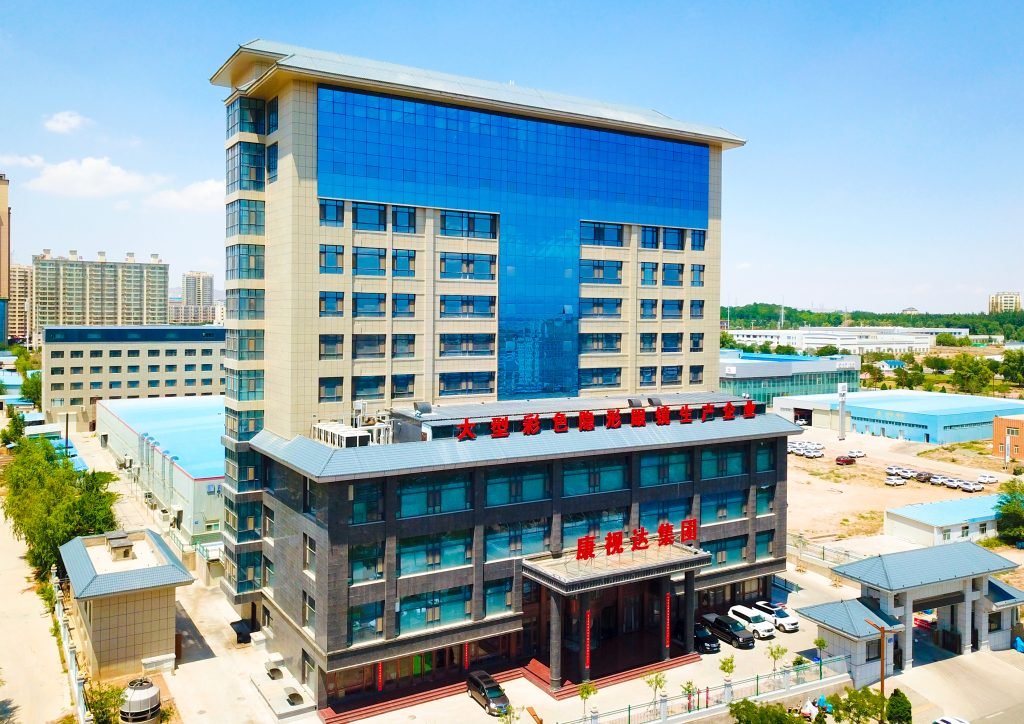 Est. 1984